| landscape and the idea of commons
NOT JUST PARCELS OR PLOTS
CAN COMMONS INFORM A NEW ‘WAY OF SEEING’?
Prayag Arora-Desai, Kanchi Kohli and Avadhoot Khanolkar
LA86 |
|
| Through reflective conversations with practitioners, activists and experts, Commons Sensing explores Commons as lived, contested landscapes—bridging the gap between theory and everyday realities while making ecological governance culturally legible and accessible.
|
|
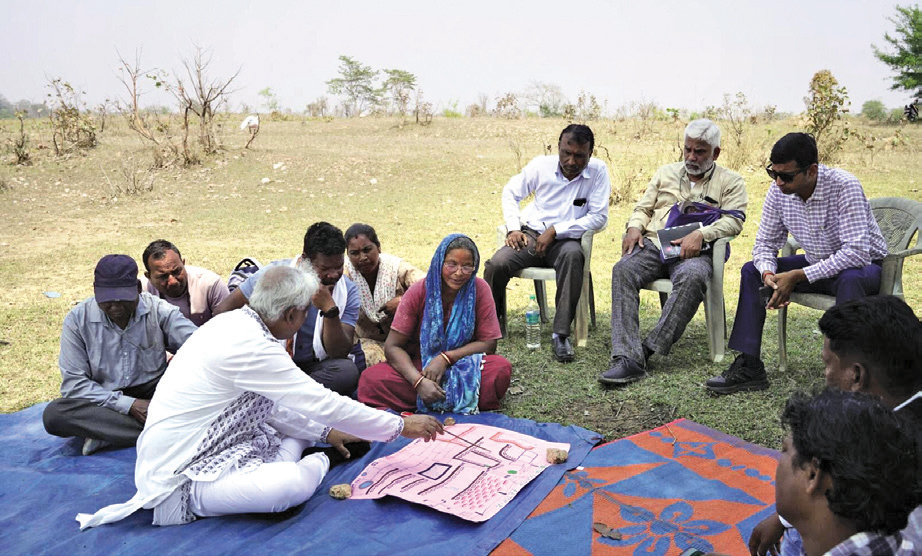
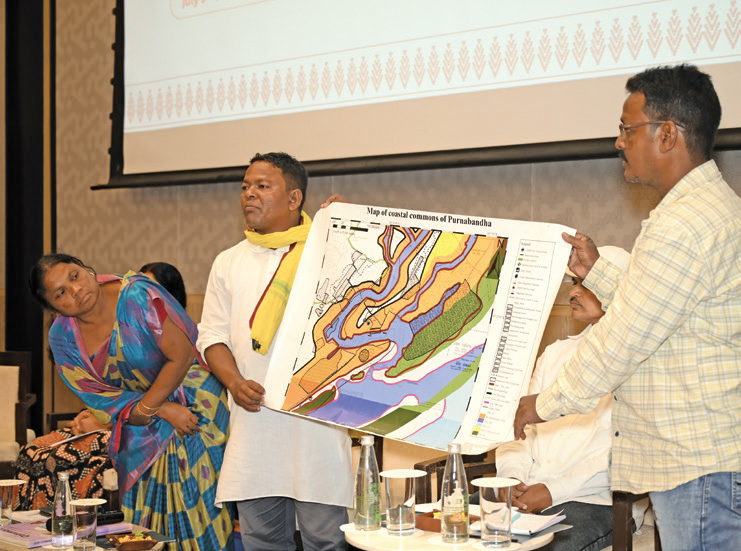
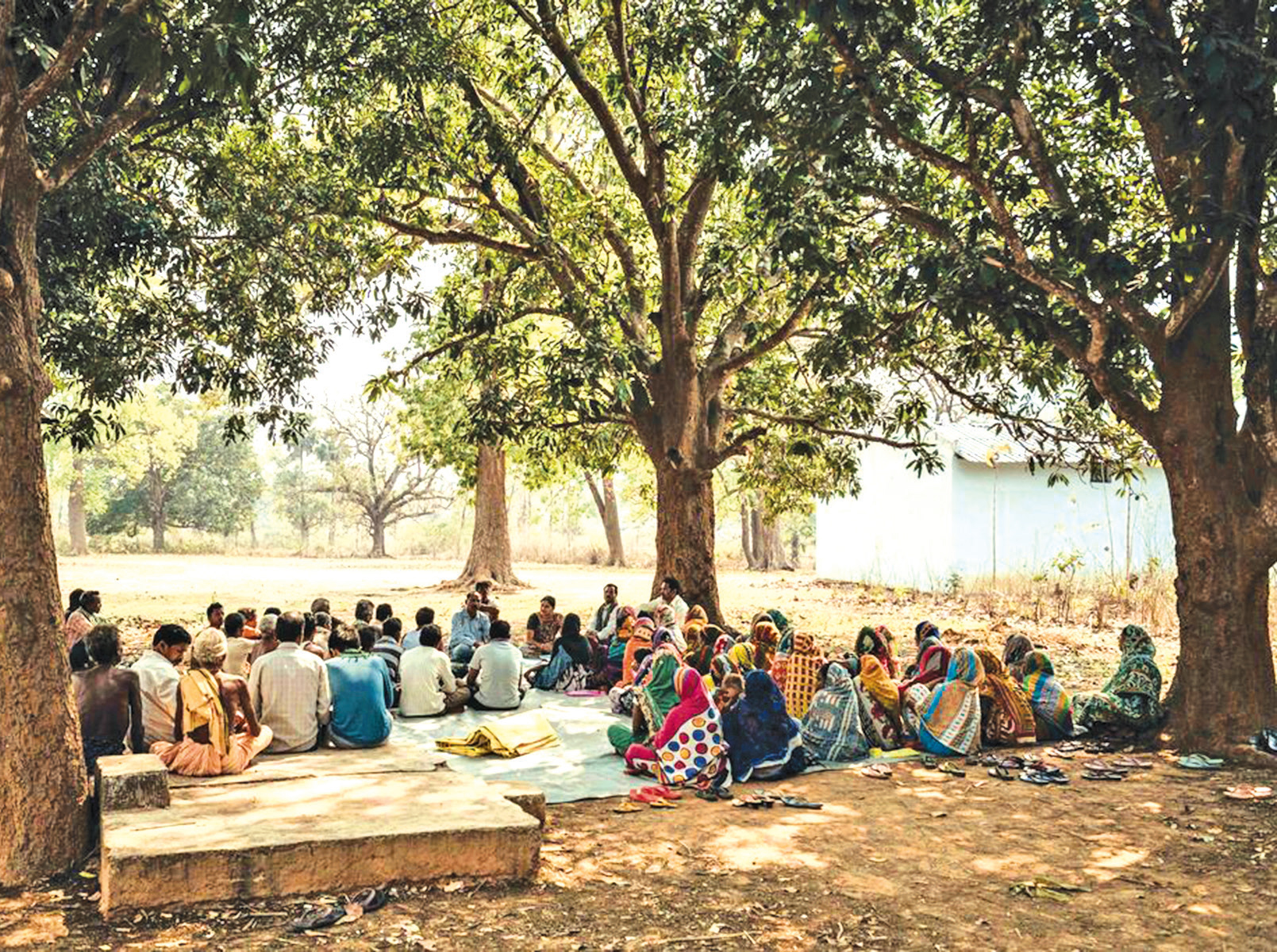
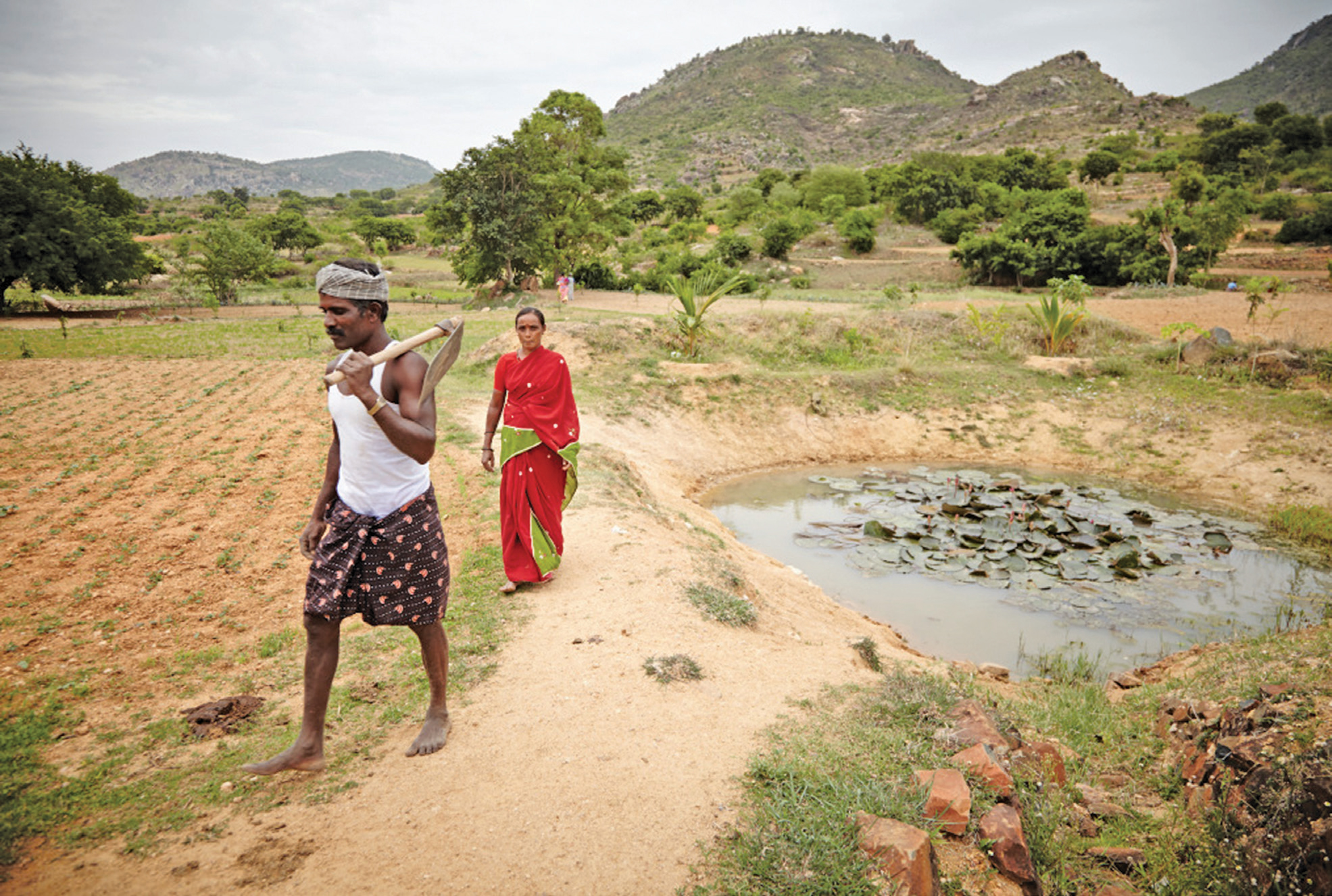
The word Commons can appear as abstract or even diffused. Where understood, Commons are explained through physical forms embedded in context: grazing lands, seed banks, sacred groves, traditional wells, fishing grounds or even urban parks. Also there are actions that push the discourse around knowledge as Commons, responding to propriety and exclusion. Open-source software like Ubuntu and even financial models have been described as Commons.
How We See The Commons
Commons are also an idea or approach, where we move beyond the physical form and see how norms and governance structure around a resource or action are designed. Do they encourage collaboration and collectivisation? Why and how do they regulate limits of access, decision making and authority? For instance, seed banks that are community managed sacred groves that are traditionally protected and new knowledge can have their own social, ecological, political barriers, despite their collaborative orientation. The reasons can range from proactive safeguarding of Commons against misappropriation or deliberate exclusion on grounds of class, caste, race or ‘merit’.
|

|
|

|
|
|
|
|